10-22-2026
Listen to audio here:
If you prefer to watch the interview, click below:
Is the Muslim Brotherhood infiltrating American institutions to pave the way for a Sharia law takeover? And could Texas be the starting point for a much larger threat to the United States?
Filmmaker Chris Burgard believes the danger is already unfolding. After 19 years investigating the Muslim Brotherhood, he alleges that political influence, local government decisions, and religious accommodation are being used as part of a long-term strategy to undermine America’s constitutional system. His warning is that Americans may fail to recognize the threat until their freedoms are directly affected.
In his documentary, Remember the Alamo: Don’t Sharia My Texas, Burgard examines the proposed EPIC development in North Texas, alleged political connections, and what he describes as an organized effort to expand the political influence of Sharia law. His film brings together the people, interviews, and material that led him to make that case.
But what convinced Burgard that these seemingly separate developments could be connected? And what did he uncover that made him believe the implications reach far beyond Texas?
His questions began years before the proposed development made headlines. Burgard describes encounters along the southern border, conversations with people involved in national security, and a confrontation over policies at his daughter’s school. Each experience pushed him toward a larger question: were the events he was witnessing isolated disputes, or signs of a coordinated political effort? The film presents the material he believes connects them, leaving viewers to judge how convincingly it supports his conclusions.
Then comes the part of the story that the film itself could not include.
What happened after the cameras stopped rolling? Who tried to stand in Burgard’s way, and why? Could the political relationships he had been investigating have anything to do with the resistance he says he encountered?
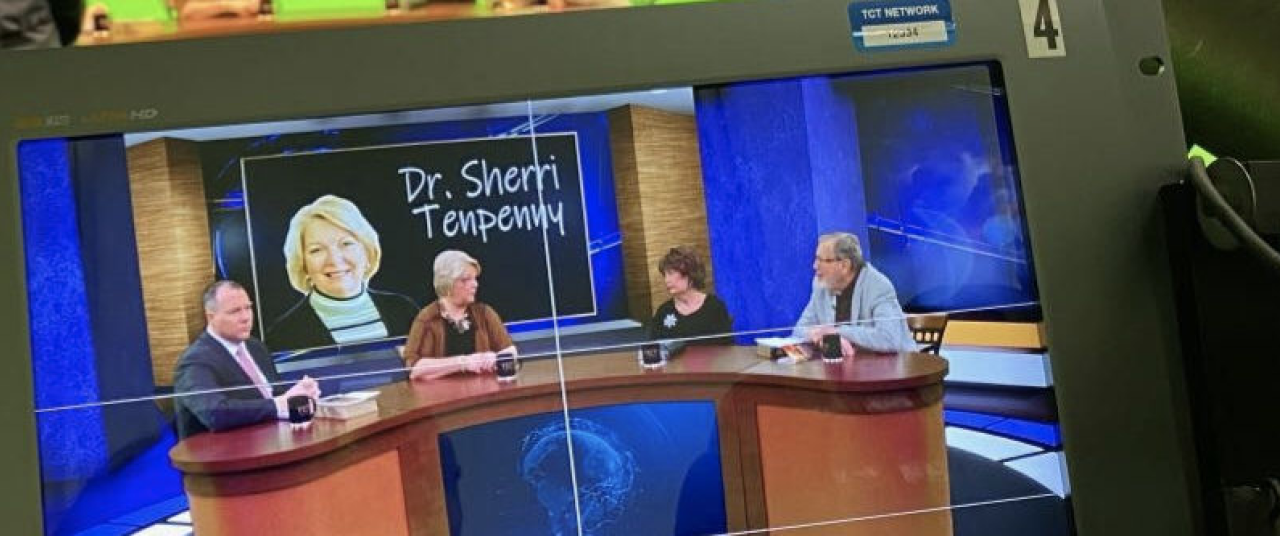
In this exclusive conversation, Dr. Sherri Tenpenny gets Burgard’s firsthand account of the startling developments that followed completion of the documentary. She asks about the obstacles he says he faced, the unexpected encounters that followed, and what those experiences revealed to him. It is a new chapter of the story, told directly by the filmmaker, that viewers will not find in the finished film.
And Dr. Tenpenny has the opportunity to ask what the audience would want to ask Burgard face-to-face. What first made him suspect an organized strategy? Why does he see Texas as pivotal? What does he believe is happening behind the political decisions he questions? And how does he separate the constitutional right to practice a religion from allegations about an organization seeking political power?
Those questions matter because the accusations are consequential. Burgard’s interpretation of the Muslim Brotherhood, the proposed Texas development, and the conduct of political figures remains his own account. The documentary gives viewers a chance to examine the interviews and material behind it; this conversation gives them the chance to hear him explain how he reached his conclusions and what happened when he tried to share them.
There is also a turn in the story Burgard did not anticipate. Once the film was complete, he says its journey took him into conversations and encounters that changed what came next. Dr. Tenpenny asks him to recount those moments, why they surprised him, and why he believes the response to the documentary deserves attention in its own right.
The film follows the investigation. The interview goes behind it, and beyond it. If you have seen Remember the Alamo: Don’t Sharia My Texas, this conversation offers the account of what happened afterward. If you have not, it gives you a direct encounter with the filmmaker and the questions at the center of his case.
What did Burgard find, what happened when he tried to bring it to the public, and who does he believe should be answering questions now? Watch Dr. Tenpenny’s interview to hear his account, then examine the documentary and its evidence for yourself.
Meet the Guest
Chris Burgard is an award-winning documentary filmmaker, director, and producer whose work has explored border security, national security concerns, and political movements. His documentary Remember the Alamo: Don’t Sharia My Texas brings together interviews and material he says he gathered over approximately 19 years of investigating the Muslim Brotherhood and related issues.
Burgard studied theater arts at the University of Wisconsin–Stevens Point and moved to Hollywood in 1985. He now lives on a ranch in East Texas with his wife, Lisa.
In his conversation with Dr. Sherri Tenpenny, Burgard recounts what drew him into the investigation, why he focused on Texas, and the events he says unfolded after production ended. His interpretations of organizations, political relationships, and the constitutional implications of Sharia law are allegations for viewers to assess against the evidence he presents.
Website
https://Rememberthealamomovie.com/drt
TODAY’S SPONSORS:
Get your 1st bottle of the #1 CELLULAR DETOX on the market for just $14
Daily detox is non-negotiable. With toxins everywhere—in the air, food, and water—you need something effective every day.
That’s why I always recommend Pure Body Extra – Zeolite. It’s a cellular level detox, flushing out heavy metals, pollutants, and even mold, safely.
BUY TODAY at DrTdetox.com
10% OFF Supplements and Apparel with promo code DRT10:
www.shoptenpenny.net
Zero Accountability in a Failed System: How Big Pharma Weaponizes Vaccines, Public Health, and the Law
Dr.Tenpenny’s most definitive work to date, providing a sweeping exposé of the corruption entrenched in the medical establishment, pharmaceutical industry, and government.
It highlights how these powerful entities have manipulated public trust, prioritized profit over people, and ignored accountability for the harm they’ve caused.